

18 Mar Healthcare Staffing in Substance Abuse Prevention: 5 Essential Ways It Supports Successful Treatment and Recovery
The Significance of Healthcare Staffing in Substance Abuse Prevention
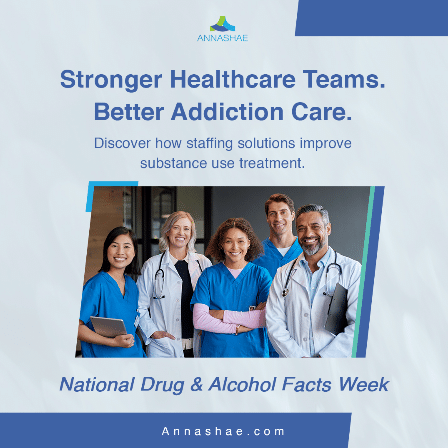
Substance use disorders continue to be one of the most pressing health challenges in the United States, affecting millions of individuals and their families every year. As National Drug and Alcohol Facts Week (NDAFW) encourages open, fact-based conversations about the effects of drug and alcohol misuse, it also serves as a reminder of the critical role healthcare staffing plays in addressing this complex issue. Healthcare professionals—whether doctors, nurses, addiction counselors, or mental health specialists—are essential in preventing and treating substance use disorders. Their expertise, training, and collaboration create the foundation for effective care and lasting recovery.
1. The Need for Specialized Training in Substance Use Care
Substance abuse is a multifaceted health issue, often intertwined with mental health conditions, trauma, and socioeconomic challenges. It requires a specialized approach that healthcare professionals must be trained to handle. Healthcare staffing in substance abuse prevention and addiction treatment settings requires professionals who are trained to understand both the clinical and psychological aspects of substance use.
Staff in addiction care roles are responsible for evaluating patients, identifying signs of misuse, and recommending the most effective treatment strategies. Addiction counselors and clinicians who specialize in substance abuse provide the education and emotional support necessary for patients to begin their recovery. This specialized staffing ensures that healthcare teams are equipped to handle the unique challenges posed by substance use disorders.
2. Interdisciplinary Collaboration in Substance Use Treatment
When addressing substance use disorders, no single healthcare provider can do it alone. The complexity of addiction demands an interdisciplinary approach that involves collaboration between multiple healthcare professionals. From primary care doctors and nurses to mental health professionals and addiction specialists, every member of the healthcare team plays a vital role in the recovery process.
By hiring diverse healthcare professionals with expertise in addiction treatment, healthcare facilities can provide a comprehensive, holistic approach to care. Each professional brings a unique perspective and skill set, contributing to a more effective treatment plan. For instance, a nurse may provide medical care for withdrawal symptoms, while a social worker may help a patient build a support network for long-term recovery. This collaboration is essential for ensuring that patients receive the full spectrum of care they need to succeed in their recovery journey.
3. Prevention through Education and Awareness
Prevention is often the most effective strategy when it comes to addressing substance use disorders. Healthcare professionals trained to identify at-risk individuals and provide education on the dangers of substance abuse can have a significant impact on reducing new cases of addiction.
Effective healthcare staffing not only involves the recruitment of addiction treatment specialists but also ensuring that general healthcare providers, such as primary care physicians and nurses, are equipped to discuss substance abuse and offer preventative strategies. For example, physicians who routinely screen patients for substance use issues can help identify those at risk early on, before addiction sets in. Educating the public and healthcare staff on the facts surrounding substance use, such as the neurological effects of alcohol and drugs, helps combat the misconceptions that often lead to misuse.
4. Supportive Work Environments for Healthcare Workers
Healthcare professionals working in substance use treatment often face emotional and psychological challenges as they assist patients through difficult recovery processes. It’s important to ensure that healthcare staff are not only skilled in their roles but are also supported by their workplaces to maintain mental and emotional well-being.
Providing ongoing training, fostering a supportive work environment, and offering access to mental health resources can help prevent burnout and ensure healthcare professionals remain effective in their roles. By investing in healthcare staffing support for those working in addiction care, healthcare organizations can help their staff avoid compassion fatigue, ultimately leading to better patient outcomes.
5. The Importance of Locum Tenens Healthcare Staffing in Substance Abuse Prevention
When healthcare organizations face temporary staffing shortages, especially in specialized areas like substance abuse treatment, locum tenens professionals can be an invaluable resource. Locum tenens providers bring expertise, flexibility, and experience to fill staffing gaps without compromising the quality of care.
These temporary professionals can offer immediate support in critical treatment areas, such as addiction counseling, crisis intervention, and patient education. For healthcare providers in need of staff to support their addiction treatment programs, locum tenens healthcare staffing ensures that patients continue to receive the high-quality care they need, even during staffing transitions.
Empowering Healthcare Teams to Tackle Substance Abuse
The role of healthcare staffing in substance abuse prevention and treatment is crucial. Specialized training, interdisciplinary collaboration, prevention efforts, and support for healthcare workers are all key to reducing the impact of substance use disorders on individuals and communities. By investing in healthcare staffing solutions that prioritize these elements, healthcare organizations can significantly improve their ability to address the complex needs of patients struggling with addiction.
At Annashae Healthcare Staffing, we understand the importance of providing specialized, compassionate staffing solutions. Whether you’re looking for healthcare staffing in substance use treatment programs or locum tenens physicians and clinicians to support your team, we are committed to connecting you with qualified professionals who will make a difference. Our nationwide network ensures that we can fill staffing needs in a variety of healthcare settings, providing expert care to those who need it most.
Healthcare Staffing in Substance Abuse Prevention
If you’re interested in learning more about how we can support your healthcare staffing needs, or if you’re a physician or clinician looking for exciting locum tenens opportunities around the country, contact us today at Annashae Healthcare Staffing.
