

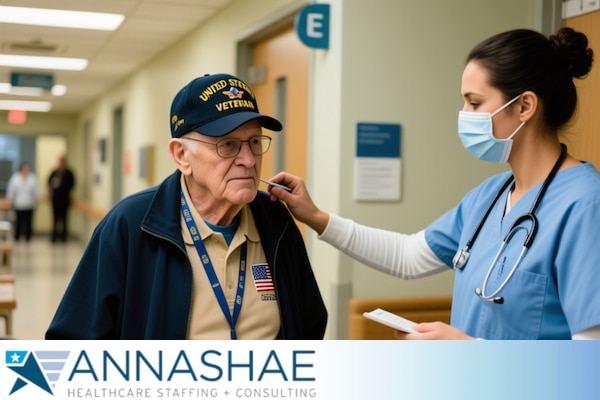
12 Nov Opportunities in Veterans’ Healthcare: Critical Staffing Shortages and Geographic Needs in 2025 and Beyond
Veterans’ healthcare remains a top priority for both public health leaders and policymakers, but major challenges continue. Staffing shortages, growing patient demand, and limited access in rural areas all make it harder to meet veterans’ needs. For healthcare administrators and physicians, understanding these trends is essential to improving care and finding career opportunities in this expanding field.
Growing Staffing Shortages in Veterans’ Healthcare
The U.S. Veterans Health Administration (VHA) is experiencing significant staffing shortages across the country. In Fiscal Year 2025, the Veterans Affairs Office of Inspector General (VA OIG) reported 4,434 critical staffing shortages at VHA facilities, an increase from 2,959 in 2024. The most affected roles are Medical Officers (physicians) and Nurses, with 94% and 79% of VA facilities reporting severe shortages in these positions, respectively, according to a recent report.
This problem is not new. For over a decade, physician and nursing shortages have slowed down care delivery and increased wait times. Rising demand—driven by aging veterans, new legislation, and a greater focus on mental health—has intensified the issue. Administrators can offset these shortages by adopting new staffing models, such as team-based care and advanced practice clinicians (APCs), including locum tenens clinicians, to improve efficiency and reduce provider burnout.
Rural and Geographic Barriers to Care
About 4.7 million veterans live in rural or highly rural areas, where getting medical care can be much harder. These veterans often travel long distances to reach clinics or hospitals and are more likely to have chronic health problems such as high blood pressure and diabetes. They also face a higher suicide risk than veterans in urban areas.
A 2024 GAO report found that rural veterans also deal with limited broadband internet, which makes it harder to use telehealth, and a shortage of healthcare providers, especially specialists. The VHA Office of Rural Health (ORH) is addressing this by expanding telehealth services, offering incentives for rural providers, and building community partnerships.
For physicians open to practicing in rural areas, these shortages can actually mean opportunity. Rural programs often offer student loan repayment, relocation bonuses, and telehealth flexibility, making them attractive for providers who want to serve veterans while growing their careers.
Specialty and Mental Health Staffing Needs
Veterans have unique medical and psychological needs. Mental health conditions such as PTSD, depression, and anxiety are common, yet the VHA reports that 57% of its facilities face severe psychological care shortages. Psychiatry is also one of the hardest specialties to fill, leading to longer wait times for mental health appointments.
Administrators are working to solve these issues through telepsychiatry, integrated behavioral health in primary care, and community-based mental health programs. Physicians who specialize in mental health or are interested in telehealth can make a significant impact in this field.
There are also staffing shortages in non-clinical roles—such as medical support assistants and schedulers—which affect clinic flow and patient experience. Filling these positions improves efficiency and reduces stress on medical teams.
Career Opportunities for Healthcare Professionals
While staffing shortages create challenges, they also open doors for physicians and administrators. The growth of telehealth, especially in mental health and primary care, allows doctors to treat veterans remotely while reaching rural and underserved communities. Demand for telehealth professionals continues to grow, offering flexibility and nationwide opportunities.
The PACT Act, which expands benefits for veterans exposed to toxic substances, has increased the need for specialists in oncology, respiratory care, and geriatrics. These areas are ideal for career development as patient demand rises.
In addition, mobile clinics and community outreach programs are expanding. These services bring healthcare directly to veterans, reducing the need for long travel. Physicians who enjoy public service and community care may find these roles especially rewarding.
The Role of Healthcare Administrators
Healthcare administrators play a key role in solving staffing shortages and scheduling challenges. They can help by offering competitive pay, loan forgiveness, flexible scheduling, and telework options to attract and retain talent. The Veterans Affairs Committee also recommends professional development programs to improve retention and morale.
Administrators should also partner with academic medical centers to create residency and fellowship programs focused on veterans’ healthcare. Training more specialists in geriatrics, mental health, and toxic exposure care can help build a stronger workforce prepared to meet veterans’ needs for years to come.
Supporting Studies
• The VHA developed a “gap staffing” metric showing major differences in staffing between rural and urban clinics.
• A tele-mental health study found rural veterans face greater barriers to virtual care due to limited internet access.
• Research on home health found rural veterans receive fewer home visits than urban veterans, showing ongoing access disparities.
• A study of the VHA’s V-IMPACT telehealth program found that virtual models help reduce staffing shortages in rural areas.
Partnering for Staffing Solutions and Career Growth
For healthcare administrators seeking support for staffing shortages and physicians looking for career opportunities, Annashae.com offers nationwide connections with hospitals, clinics, and veteran healthcare systems. Whether you’re filling key roles or looking for a new career path, Annashae provides specialized recruitment services that match professionals with meaningful positions. Their team understands the challenges of today’s healthcare environment and offers tailored solutions in veterans’ care, mental health, and other high-demand fields. Visit Annashae.com today to explore open positions and staffing options across the country.
